Table of contents
Artificial intelligence is rapidly reshaping the landscape of professional photography, influencing everything from how images are captured to how they are edited and shared. As technology continues to evolve, photographers and industry experts are adapting to new tools and techniques that are revolutionizing traditional workflows. Dive into this exploration to discover how AI is driving fresh trends in the field, transforming creative possibilities and setting the stage for the future of visual storytelling.
AI-driven photo editing evolution
AI photo editing has transformed professional photography by introducing automation in photography workflows, dramatically reducing the manual effort required for complex image enhancement tasks. Through neural networks and advanced machine learning algorithms, sophisticated edits like background replacement, skin retouching, and color grading are now performed with remarkable speed and precision. This leap in technology means that photographers can process large batches of images in significantly less time, enabling quicker turnaround times for clients without sacrificing quality. The streamlined workflow allows professionals to focus more on creative aspects rather than repetitive adjustments, fostering greater artistic expression and experimentation within their work.
The integration of AI photo editing tools is also driving innovation in image enhancement, offering capabilities such as intelligent noise reduction, automatic subject recognition, and dynamic lighting adjustments. Neural networks analyze vast datasets to learn subtle patterns, resulting in outputs that often surpass traditional editing methods in both consistency and detail. Automation in photography not only optimizes efficiency but is also reshaping industry standards, with clients expecting faster delivery and higher-quality images. These advancements signal a new era for professional photography in which technology augments human creativity, elevating both the production process and the final artistic outcome.
New creative possibilities with AI
AI in art is radically transforming creative photography, introducing new methods that extend the range of visual expression and innovation. Through advanced image manipulation facilitated by techniques like style transfer, photographers now have the ability to blend distinctive artistic styles or reinterpret images in ways that were once unimaginable. Generative adversarial networks, a breakthrough in machine learning, enable the synthesis of entirely original visual content, opening doors to generative art that redefines what is possible within the medium. With these technologies, photography innovation takes on a new dimension, empowering artists to move beyond conventional editing and manual techniques to create surreal landscapes, hyper-realistic composites, or abstract visual narratives that captivate and challenge the viewer.
Such advancements are not only expanding the creative toolkit but also reshaping artistic trends in the professional photography landscape. The integration of AI in creative photography pushes boundaries by allowing experimentation with color palettes, textures, and compositional elements previously inaccessible without extensive manual labor or technical expertise. The influence of state-of-the-art tools is widely acknowledged in the industry, and resources like he has a good point provide insights into some of the best AI solutions available for image creation, which can serve as a springboard for innovative projects. As professionals embrace these opportunities, a new era of expressive, visually compelling work is emerging, positioning photography at the forefront of digital artistry.
AI’s impact on commercial photography
AI automation is rapidly reshaping commercial photography, particularly in dynamic industries such as advertising, fashion, and real estate. The integration of object detection and image segmentation algorithms allows studios and brands to efficiently manage vast libraries of visual content. In real estate, for example, AI-powered solutions can identify and enhance key areas in property images, ensuring each room’s features are prominently displayed. Fashion brands benefit from automated image retouching, where AI tools correct colors, remove blemishes, and optimize lighting without manual effort. For advertising campaigns, artificial intelligence enables mass personalization of content, generating multiple versions of a product image tailored to specific demographics.
The adoption of these photography trends delivers significant advantages, including accelerated workflows, reduced operational costs, and increased consistency across large-scale projects. Automated product photography eliminates repetitive tasks, freeing human photographers to focus on creative direction rather than technical execution. Object detection enhances catalog accuracy, while image segmentation ensures subject separation for easier background changes. Despite these advancements, challenges persist, such as the potential loss of creative nuance and concerns around copyright in AI-generated or edited content. Navigating these issues is vital for professionals seeking to leverage AI automation while maintaining the artistic integrity that defines high-impact commercial photography.
Ethical considerations in AI photography
AI ethics have become increasingly relevant as artificial intelligence reshapes professional photography, prompting nuanced debates over photography authenticity, copyright in photography, and privacy concerns. With AI tools capable of generating hyper-realistic deepfakes or manipulating images to a degree previously unimaginable, questions of trust and transparency are at the forefront. Metadata tracking offers some ability to verify image origins and edits, but even this can be circumvented by advanced algorithms. These developments mean that photographers and content creators now bear expanded responsibilities to guarantee their work remains both genuine and respectful, guarding against the erosion of public trust in visual media.
Upholding integrity in the digital age requires more than just compliance with existing copyright in photography laws—it demands an active commitment to maintaining photography authenticity and protecting privacy concerns of depicted subjects. The ease with which deepfakes and synthetic images can circulate highlights the necessity of transparent disclosure policies, clear consent protocols, and robust ethical guidelines within the industry. As AI ethics continue to evolve, professionals must remain vigilant, balancing artistic innovation with the duty to foster accountability and respect for both the creators and those captured in the lens.
The future of AI in photography
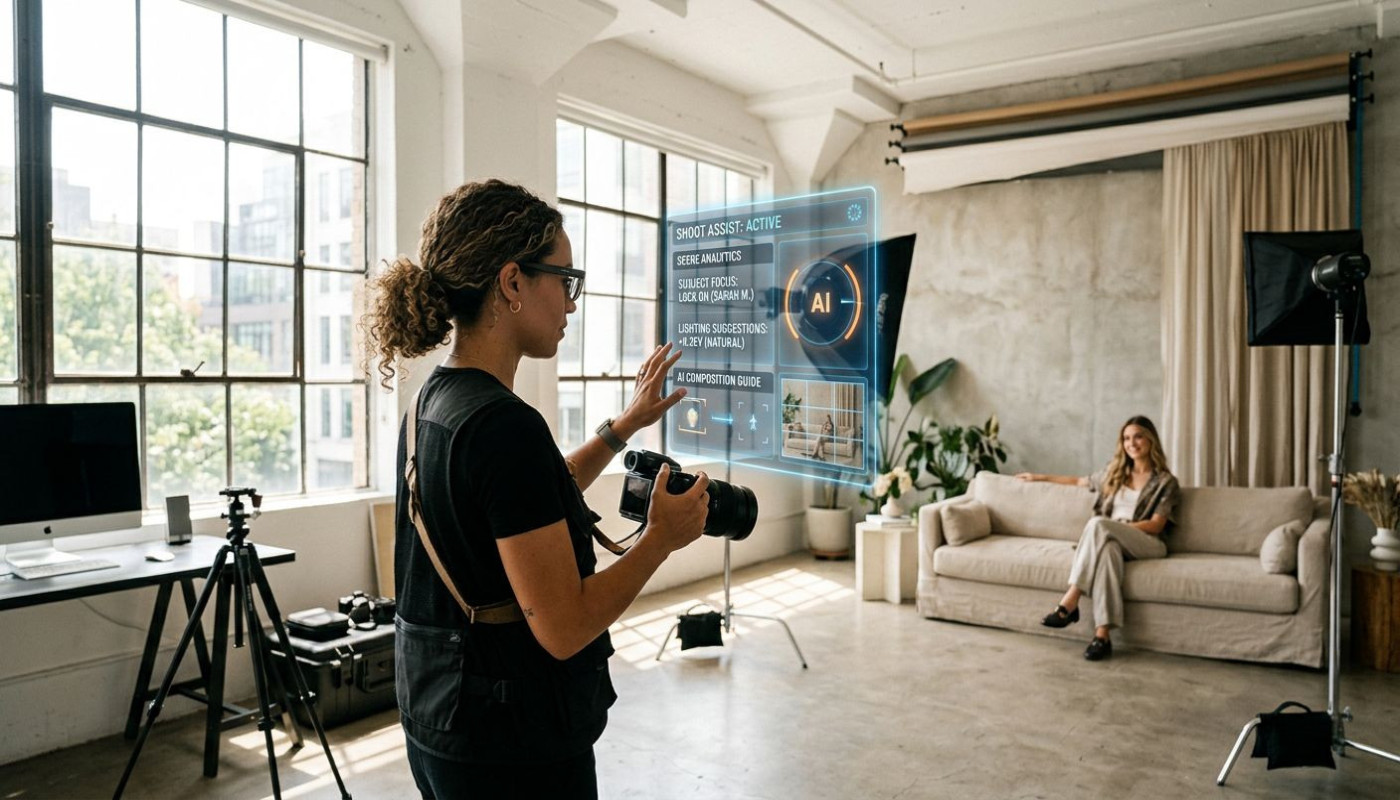
The future of photography is poised for transformation as AI technology continues to redefine the boundaries of professional image creation and workflow. With advancements in real-time analysis, predictive editing, and augmented reality, photographers are on the brink of a new era where traditional skills will be complemented by proficiency in digital tools and algorithm-driven processes. Real-time analysis powered by sophisticated neural networks will enable cameras to recognize subjects, lighting conditions, and optimal settings instantaneously, streamlining the technical side of a shoot and allowing professionals to focus on creative direction. Predictive algorithms will anticipate editing preferences and automate tedious post-production steps, tailoring image enhancements to both client expectations and emerging visual trends, while freeing up valuable time for photographers to innovate.
AI technology is also set to revolutionize client interaction, offering immersive previews and faster collaboration through augmented reality overlays and virtual staging. Clients will be able to visualize finished products during the shoot itself, making real-time feedback and adjustments possible without delay. This seamless integration of predictive editing and augmented reality will set new standards for creative communication, reducing project turnaround times and supporting a more dynamic creative process. As a result, the future of photography will demand not only an artistic eye but also digital literacy, adaptability to evolving platforms, and an understanding of how to harness AI-driven tools for maximum creative impact.
Moving forward, the skills required of professional photographers will evolve significantly. Mastery of camera mechanics will remain relevant, but expertise in AI technology, programming interfaces for custom workflows, and the ethical implications of algorithmic influence will become equally vital. Professionals will need to stay informed about data privacy, copyright, and the potential biases in machine learning models affecting image analysis. The convergence of real-time analysis, predictive editing, and augmented reality is set to make the future of photography a multidisciplinary field where technical innovation, creativity, and ethical responsibility intersect, shaping the evolution of visual storytelling for years to come.
Similar